article
How Psychology can help Family Businesses?
Real-world cases show how psychological insights can guide even the most complex family enterprises through conflict, transition, and growth.
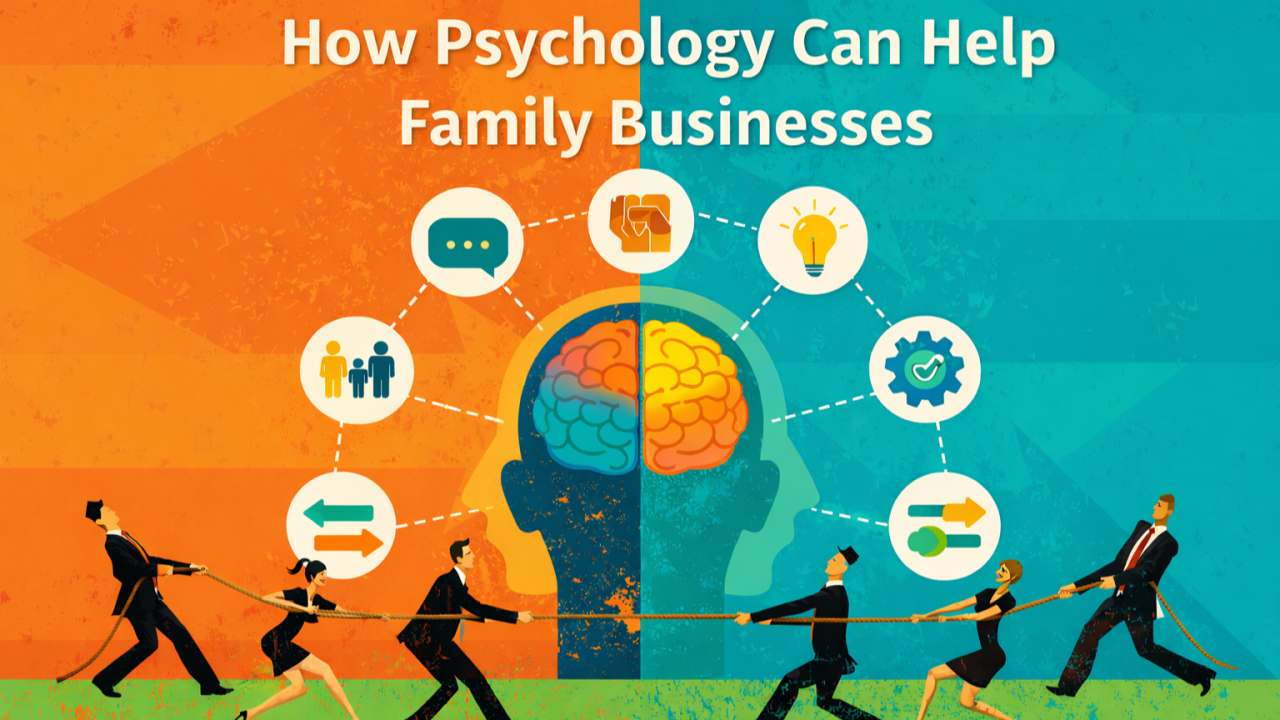
Psychologists play an increasingly important role in family businesses, offering insight into the emotional and relational dynamics that often shape decision-making, succession planning, conflict resolution, and long-term business sustainability. Their value lies not only in understanding individual behavior but also in facilitating healthier group dynamics, communication, and transitions.
Here’s a detailed look at how psychologists contribute to family businesses, along with real-world examples:
1. Navigating Family Dynamics and Conflict Resolution Family businesses are often rich with emotional history - rivalries, unmet expectations, generational differences. Psychologists help identify underlying emotional patterns, foster communication, and mediate conflicts.
Example: Ford Motor Company In the early 2000s, internal tensions rose at Ford as Bill Ford Jr. took over leadership amid declining business performance. The company sought external advisors, including organizational psychologists, to help navigate conflicts between family members and the executive team. These experts facilitated discussions that clarified roles and helped separate emotional concerns from business strategy.
2. Succession Planning and Generational Transition One of the most complex issues in family businesses is succession. Psychologists assist families in addressing unspoken expectations, leadership readiness, and emotional resistance, making the process more transparent and strategic.
Example: The Murdoch Family (News Corp & Fox) Succession planning in the Murdoch empire has long been under public scrutiny. Psychologists and family business consultants were reportedly involved in coaching and evaluating potential successors, especially during transitions between Rupert Murdoch and his sons. Emotional intelligence, readiness, and sibling dynamics were key elements explored through psychological tools.
3. Governance and Role Clarity Psychologists can help establish clear governance structures and role definitions that prevent overlaps and reduce friction between family and non-family executives.
Example: S.C. Johnson & Son This family-owned consumer goods company has survived for five generations, in part due to its willingness to integrate psychological assessments and family governance coaching. Psychologists worked with the Johnson family to create forums where emotional topics could be addressed separately from business matters—like “family councils” and “shareholder education sessions.”
4. Emotional Intelligence and Leadership Development Psychologists often coach next-generation leaders in emotional intelligence, stress management, and interpersonal skills, enhancing their readiness to lead both the business and the family.
Example: Tata Group (India) Though not a family business in the conventional sense today, Tata Group’s early leadership transitions involved psychological coaching for family scions. The Tata Trusts often supported executive coaching to groom future leaders with emotional maturity, adaptability, and stakeholder empathy.
5. Preserving Family Legacy While Encouraging Innovation Psychologists help families manage the tension between preserving the founder’s legacy and embracing innovation. This is particularly relevant as younger generations seek to evolve the business model.
Example: Estée Lauder Companies Leonard Lauder and his successors worked with psychologists and consultants to align their personal visions with the company’s evolving brand identity. The goal was to honor the legacy of Estée Lauder while supporting innovation by the younger Lauder family members.
Conclusion Psychologists bring a unique, human-centric lens to the complexities of family businesses. By understanding family systems, emotional undercurrents, and developmental psychology, they help families create more resilient, communicative, and enduring businesses.
Real-world cases show how psychological insights can guide even the most complex family enterprises through conflict, transition, and growth.